












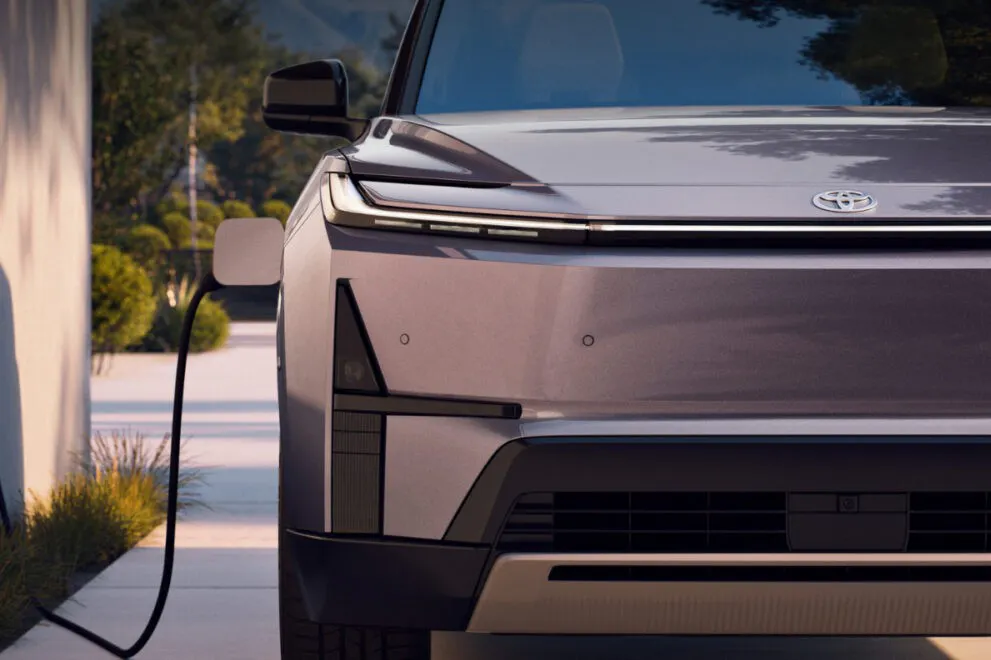
How Toyota EVs Could Become Power Generators
The future of electric vehicles is no longer just about transportation. Toyota is developing EV technologies that could allow electric cars to serve as backup power systems for homes, businesses, and even the electrical grid. As the global automotive industry shifts toward electrification, Toyota EVs are increasingly being designed with bidirectional charging and energy-storage capabilities that may transform how consumers think about energy resilience.
For homeowners facing rising electricity costs and concerns about power outages, Toyota’s EV strategy could position its vehicles as both transportation tools and mobile energy generators.
Toyota EVs and the Rise of Bidirectional Charging
One of the biggest developments in the electric vehicle market is bidirectional charging. This technology allows electricity to flow both into and out of an EV battery. Instead of simply charging from the grid, a Toyota electric vehicle could potentially send stored energy back to a home during an outage or periods of high energy demand.
Toyota has already expanded research into vehicle-to-grid (V2G) systems through collaborations with utility companies like San Diego Gas & Electric. The company says this technology could improve grid reliability, reduce electricity costs, and help integrate renewable energy sources into the power system.
Vehicle-to-home (V2H) charging is particularly important because it allows an EV to function like a large home battery backup system. During blackouts, homeowners could theoretically power appliances, lighting, internet systems, and refrigeration directly from a Toyota EV battery.
How Toyota Electric Vehicles Could Power Homes
Modern EV batteries store significant amounts of energy. Many electric vehicles now carry battery packs ranging from 60 kWh to more than 100 kWh, which is enough to power essential household systems for several days under certain conditions.
Toyota’s research into EV power generation focuses on creating a more connected energy ecosystem. Instead of relying solely on stationary backup generators, drivers may eventually use Toyota EVs as mobile energy storage systems.
Industry experts note that bidirectional charging systems can help homeowners:
- Maintain backup power during outages
- Lower electricity bills through energy shifting
- Store renewable solar energy
- Support local power grids during peak demand periods
Toyota’s ongoing V2G research specifically highlights the potential for EV owners to charge vehicles overnight and send electricity back to the grid during high-demand periods.
Toyota Solid-State Batteries Could Accelerate EV Generator Technology
A major reason Toyota EVs are receiving attention is the company’s aggressive development of solid-state battery technology. Toyota has partnered with companies like Idemitsu Kosan and Sumitomo Metal Mining to commercialize all-solid-state batteries for future electric vehicles.
Solid-state batteries could significantly improve EV power generation capabilities because they are expected to offer:
- Faster charging times
- Higher energy density
- Improved durability
- Better thermal stability
- Longer driving range
Toyota has stated that commercial production of solid-state battery EVs could begin around 2027–2028.
If successful, these next-generation Toyota electric vehicles could become even more practical as backup energy systems. Faster charging would allow EVs to replenish stored power more quickly, while larger energy capacity could extend home backup duration during emergencies.
Why Toyota EV Generator Technology Matters
The idea of a Toyota EV generator appeals to consumers for several reasons. Climate-related power outages are becoming more common, and homeowners are increasingly seeking alternatives to gas-powered generators.
Unlike traditional generators, electric vehicles can provide silent operation with zero tailpipe emissions. When paired with solar panels, a Toyota EV could become part of a cleaner home energy strategy.
This approach also aligns with broader energy trends involving distributed power systems. Instead of relying entirely on centralized utility infrastructure, homes and vehicles can share stored energy dynamically.
Toyota’s broader EV investments include charging infrastructure partnerships and expanded battery research, signaling that the company sees electrification as more than just replacing gasoline engines.
The Future of Toyota EVs as Mobile Energy Systems
Toyota’s vision for electric vehicles appears to extend far beyond transportation. By combining bidirectional charging, vehicle-to-grid systems, and next-generation solid-state batteries, Toyota EVs could evolve into mobile power stations capable of supporting homes and electrical infrastructure.
As EV adoption grows, the concept of a car that powers both transportation and home energy needs may become increasingly attractive. Toyota’s investments suggest the automaker wants to compete not only in the EV market, but also in the broader energy ecosystem.
If the company successfully commercializes these technologies, future Toyota electric vehicles may become essential tools for energy security, renewable integration, and emergency preparedness.
