









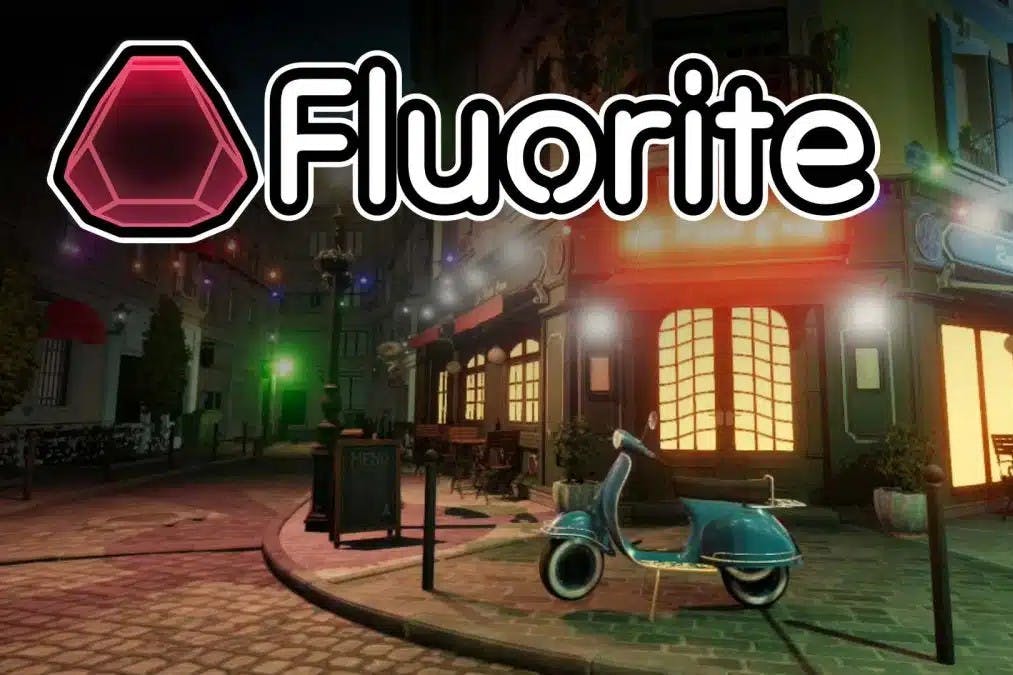
Toyota Announces Fluorite Game Engine
In a move that underscores how deeply software is reshaping the future of mobility, Toyota has unveiled Fluorite, an open-source game engine tailor-made to deliver console-grade graphics and interactivity inside vehicle digital cockpits. The announcement was made by Toyota Connected North America at the FOSDEM 2026 conference in Brussels — one of the world’s largest community-driven open-source software events.
Why a Game Engine for Cars?
Digital dashboards and in-vehicle user interfaces are no longer static menus — they are expected to be highly responsive, visually rich, intuitive, and interactive. OEMs (original equipment manufacturers) across the automotive industry are increasingly turning to game technologies to deliver these experiences.
Toyota’s engineers saw an opportunity to go further: rather than rely on existing engines like Unity, Unreal, or Godot — which they found too heavy, expensive, or slow to start — they built their own engine optimized for embedded automotive environments.
What Makes Fluorite Special?
At its core, Fluorite blends a set of open-source, modern technologies to deliver high-fidelity graphics on hardware that isn’t typically designed for gaming:
- Built with Flutter & Dart: Toyota chose Google’s Flutter UI toolkit and the Dart programming language as the foundational layer. This means developers can write both UI and game logic in Dart and link it directly to graphics powered by Fluorite.
- Powered by Google’s Filament Renderer: For 3D visuals, Fluorite leverages Filament — a real-time rendering engine built for physically based rendering (PBR) and optimized for performance across platforms.
- Modern Graphics APIs: Using Vulkan and other modern graphics APIs, Fluorite supports hardware-accelerated visuals, including accurate lighting, post-processing effects, custom shaders, and multiple simultaneous 3D scene views.
- Entity-Component System (ECS): Under the hood, Fluorite uses a high-performance ECS written in C++ to keep things efficient while still offering a high-level Dart API for developers.
- Cross-Platform Reach: While its primary intent is automotive, the engine is designed to work across Android, iOS/macOS, Windows, Linux, and WebGL — and Toyota’s talks suggest potential roadmaps beyond the car, including console platforms like Xbox or PlayStation down the line.
Not Just Games — Immersive Car Interfaces
So what is Fluorite for, really? Toyota sees it as a platform for:
- Interactive in-car experiences: Imagine dashboards that not only display information but allow rich animations, immersive UI flows, and in-depth interactions — all at performance levels approaching console games.
- Future-ready automotive UIs: As vehicles get more connected and autonomous capabilities evolve, the way users interact with digital cockpits becomes central to the brand experience. Fluorite aims to make those interactions dynamic without compromising on performance or memory budgets.
- An open ecosystem: By releasing Fluorite as open-source, Toyota invites developers and makers outside the company to explore, extend, and innovate on top of its technology. This could unlock creative uses well beyond automotive dashboards, especially given its cross-platform ambitions.
Why Open Source Matters
Toyota’s choice to open-source Fluorite isn’t just about code availability — it’s strategic. Open-sourcing removes licensing costs, encourages broader adoption, and accelerates community-driven improvements. For an automaker increasingly focused on software-defined vehicles, community engagement through open projects could spur innovation faster than proprietary systems alone.
What’s Next for Fluorite
In its early stages, Fluorite is being positioned squarely as the engine that powers Toyota’s next generation of in-vehicle digital cockpits. But its capabilities and multi-platform support hint at deeper ambitions:
- Broader use cases in consumer apps and tools
- Support for physics and advanced gameplay features
- A growing ecosystem of plugins and developer tools
Whether Fluorite becomes a tool for mainstream game developers, or remains primarily a vehicle UI powerhouse, its announcement is a fascinating intersection of automotive and game-tech innovation.
