









How GAZOO Racing Helps Toyota Build Better Cars
At Toyota, racing isn’t just about trophies, lap times, or bragging rights. It’s about building better cars—period. And at the heart of that belief is TOYOTA GAZOO Racing (GR), a motorsports program born not in a boardroom, but on the racetrack, shaped by grit, failure, learning, and an unshakable passion for driving.
The story begins with Akio Toyoda, grandson of Toyota founder Kiichiro Toyoda, and a man who never saw cars as just appliances. Long before he became Toyota’s global leader, Akio was a genuine car enthusiast—drawn to the adrenaline, challenge, and honesty of motorsports. That passion would collide with the wisdom of Hiromu Naruse, a legendary Toyota test driver whose influence would change the company forever.
Racing as the Ultimate Classroom
Naruse believed something radical yet simple: racing is the ultimate proving ground for both cars and people. He once told Akio bluntly that someone who didn’t truly understand driving had no business commenting on cars. Rather than taking offense, Akio took the challenge.
Naruse offered to teach him how to drive—properly. Through countless hours behind the wheel, including rigorous testing at the Nürburgring, Akio began to understand what performance really meant. Not just speed, but balance, durability, feedback, and trust between driver and machine.
The Nürburgring, often called the world’s toughest racetrack, became central to this philosophy. It wasn’t just a place to test vehicles to their limits—it was a place to develop engineers, drivers, and teams. Cars broke. Mistakes happened. Lessons stuck. From this partnership between Naruse and Akio, the core philosophy of the GR brand was born: refine people and cars through racing.
The Birth of GAZOO Racing
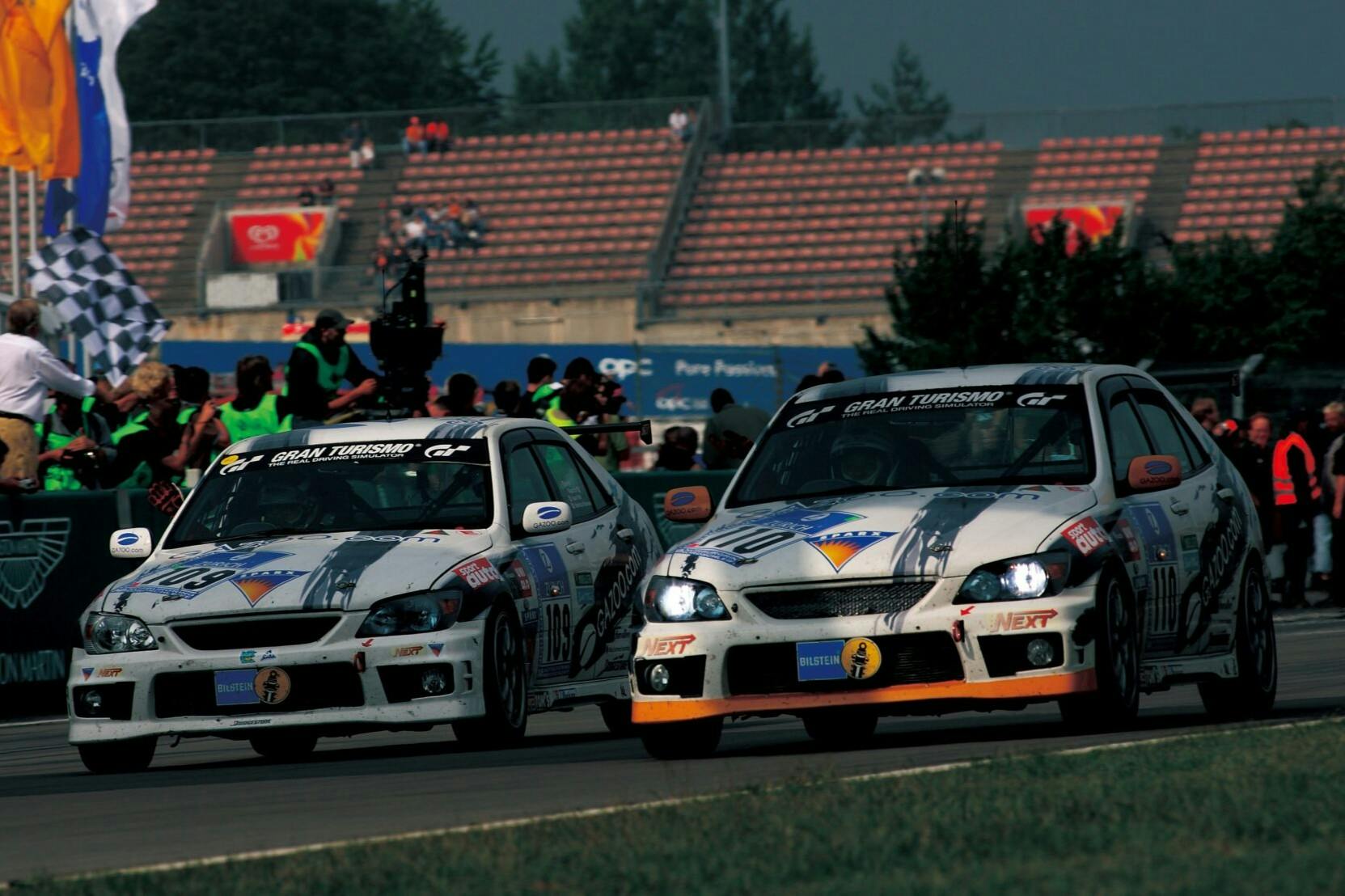
In 2007, that philosophy became reality. Akio Toyoda entered the 24 Hours of Nürburgring endurance race—one of the most demanding motorsports events on the planet. To race freely and learn without the weight of his title, he competed under a pseudonym: Morizo.
The goal wasn’t to win. It was to learn.
The team faced plenty of obstacles. They raced discontinued models like the fourth-generation Supra and Altezza RS200, while competitors showed up with near-future production cars. But the brutal conditions of the race forced the team to listen to the cars—how they behaved, where they failed, and what needed improvement.
That experience ignited something inside Toyota. Racing was no longer a side activity. It became a catalyst for innovation and a spark that reawakened excitement throughout the company. GAZOO Racing was officially underway.
Turning Track Lessons into Road Cars
As GAZOO Racing gained experience, the feedback from endurance racing began flowing directly into production vehicles. Cars like the Toyota 86 benefited from lessons learned under real racing pressure—where weaknesses can’t hide.
One of the most powerful examples is the Lexus LFA. Before its official release in 2009, the LFA underwent two full years of testing at the Nürburgring 24 Hours. In 2010, two LFAs competed again, holding their own against full-fledged race cars. One secured GAZOO Racing’s first-class win, while the other suffered severe engine trouble—but instead of quitting, the team replaced the engine mid-event and sent it back out.
That kind of experience can’t be replicated in a lab. It taught the team how cars fail, how teams respond, and how designs can be improved to survive the extreme. Those lessons fed directly back into Toyota’s engineering culture.
By 2014, GAZOO Racing achieved a major milestone—winning every class it entered. The racing success of the 86 led to the creation of the limited-edition 86 GRMN, a clear signal that Toyota was serious about reclaiming its performance heritage.
Continuous Improvement, Lap After Lap
The journey didn’t slow down. Lexus models like the RC and later the LC continued to race at Nürburgring, gathering valuable data even when results were mixed. In 2019, GAZOO Racing brought back a name that meant everything to enthusiasts: the Supra.
The GR Supra completed the Nürburgring 24 Hours and earned third place in its class. The Lexus LC struggled with unexpected issues—but those struggles were just as valuable. Racing isn’t about perfection. It’s about learning faster than everyone else.
That year’s race held special meaning for Akio. It fell on the anniversary of Naruse’s passing. As Morizo drove the revived Supra, he reflected on the mentor who had taught him what driving—and responsibility—really meant.
Kaizen on the World’s Hardest Tracks
At its core, GAZOO Racing embodies kaizen, the Japanese philosophy of continuous improvement. Every race is a lesson. Every mistake is data. Every success is temporary fuel to push harder next time.
This mindset extends beyond cars to people. Racing develops engineers, mechanics, and drivers by forcing them to adapt, collaborate, and solve problems under pressure. Knowledge is passed down, refined, and preserved—much like the ancient Japanese tradition of rebuilding the Ise Grand Shrine every 20 years to transfer skills across generations.
Akio once compared sports car development to this ritual, emphasizing that even in difficult times, it’s essential to continue building for the future rather than abandoning craftsmanship.
Building Cars That Stir the Soul
In 2025, TOYOTA GAZOO Racing returned to the Nürburgring 24 Hours with the GR Yaris and a new team, continuing a journey that started nearly two decades earlier. But the mission remains unchanged.
GR isn’t about racing for racing’s sake. It’s about ensuring that future generations can experience cars that are fun, emotional, and alive. Cars that reflect human passion—not just efficiency charts.
GAZOO Racing’s success proves that motorsports isn’t separate from everyday cars. It’s the forge where better cars—and better people—are made.
As Akio Toyoda puts it: “Refining people and cars, thereby contributing to the making of ever-better cars—that’s always been a constant.”
And that constant is exactly what makes Toyota’s cars better, lap after lap.
