









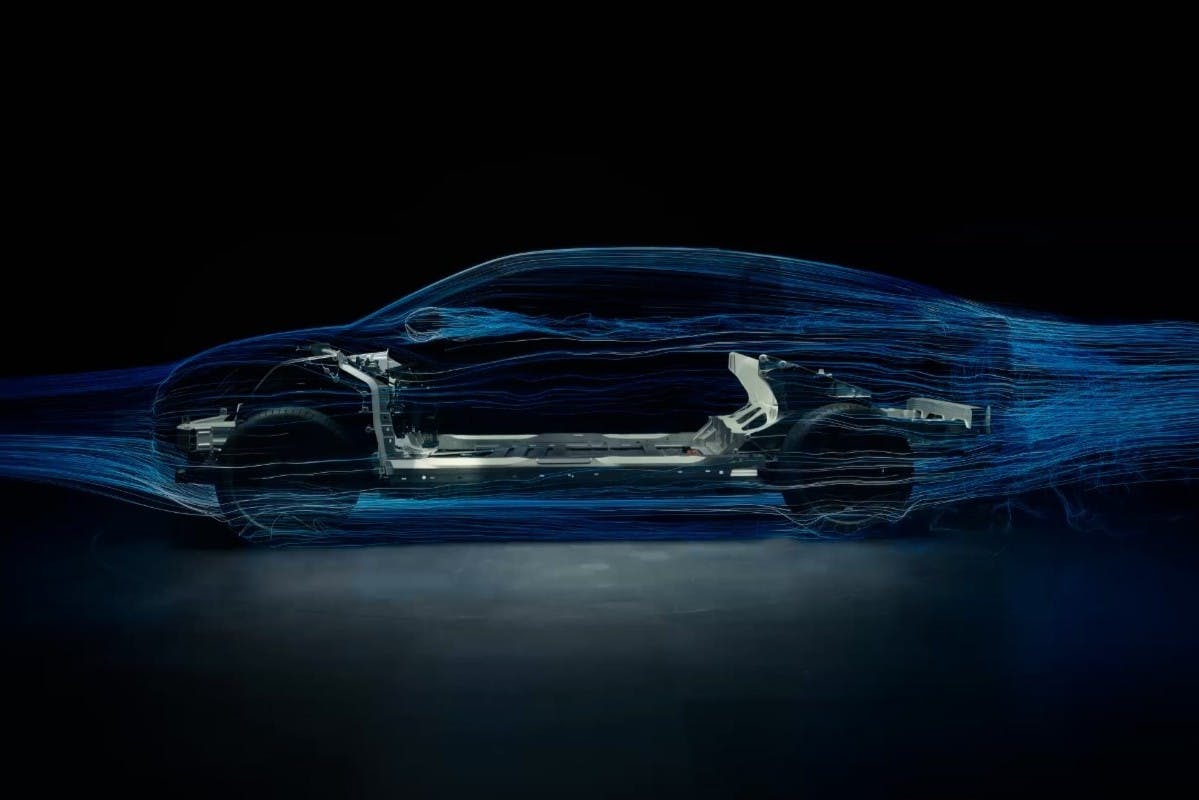
First Look at Ford’s 2028 EV Truck
Ford is taking a big swing at the future of affordable electric trucks—and this time, it’s starting small on purpose. According to reporting from Car and Driver, the 2028 Ford mid-size electric pickup will be the first vehicle built on an all-new, ground-up EV architecture designed around one central goal: dramatically lowering cost without sacrificing capability. Here’s why this truck could be a turning point—not just for Ford, but for the entire electric pickup market.
A $30,000 Electric Truck?
Ford is aiming for a starting price around $30,000, which would make this one of the most affordable electric trucks ever offered in the U.S. That’s a massive shift from today’s EV truck landscape, where full-size electric pickups routinely start well north of $50,000. Instead of competing head-to-head with premium offerings, Ford is repositioning itself around accessibility. Deliveries are expected to begin in late 2027 as a 2028 model-year truck.
Built on an All-New EV Platform
This won’t be an adaptation of an existing gas truck. The 2028 pickup will debut Ford’s new Universal EV Platform (UEV)—a dedicated electric architecture that cannot accommodate an internal combustion engine. That decision matters.
Unlike transitional platforms that share components with gas models, the UEV platform is designed exclusively around EV efficiency. That allows engineers to:
- Optimize weight distribution
- Reduce parts complexity
- Improve aerodynamics
- Lower production costs
Ford has reportedly even implemented internal “bounty” incentives for engineers to reduce weight wherever possible—because in an EV, every pound directly affects range and cost.
Smaller, Smarter, and More Efficient
While described as “mid-size,” the truck is expected to have a footprint closer to the current Ford Maverick—but with improved interior packaging thanks to EV architecture. The focus isn’t brute force. It’s efficiency-first engineering.
Key highlights include:
LFP Battery Chemistry
The truck will use lithium iron phosphate (LFP) prismatic cells. Compared to nickel-rich batteries, LFP offers:
- Lower material cost
- Improved durability
- Reduced dependence on cobalt and nickel
- Strong long-term reliability
Ford is also using a cell-to-structure battery design, meaning the battery pack acts as part of the truck’s structural floor. That reduces weight and manufacturing complexity.
Unicasting Manufacturing
Ford plans to adopt “unicasting”—large, single-piece cast structural components—to cut down on parts count and simplify assembly. This approach, popularized by Tesla, can significantly reduce production costs.
Zonal Electrical Architecture
The UEV platform will feature a simplified electrical system with fewer control units and a 48-volt architecture. That means:
- Less wiring
- Lower weight
- Fewer failure points
- Easier updates and integration
All of it adds up to one thing: a smaller battery that still delivers competitive range.
A Strategic Reset for Ford’s EV Plans
This new truck represents a pivot. After mixed financial results from high-end EV models like the Ford F-150 Lightning, Ford appears to be shifting toward affordability and scale rather than premium positioning. Instead of building the biggest, fastest electric truck, Ford is focusing on building one people can realistically afford. That strategy could put it in a stronger long-term position—especially as EV incentives fluctuate and price sensitivity increases among buyers.
What We Still Don’t Know
Ford hasn’t released official specs yet, including:
- Range estimates
- Horsepower or torque figures
- Towing and payload ratings
- Charging speeds
- Final design details
- Official name (some speculate a revival of “Ranchero,” but nothing is confirmed)
More information is expected closer to production.
