












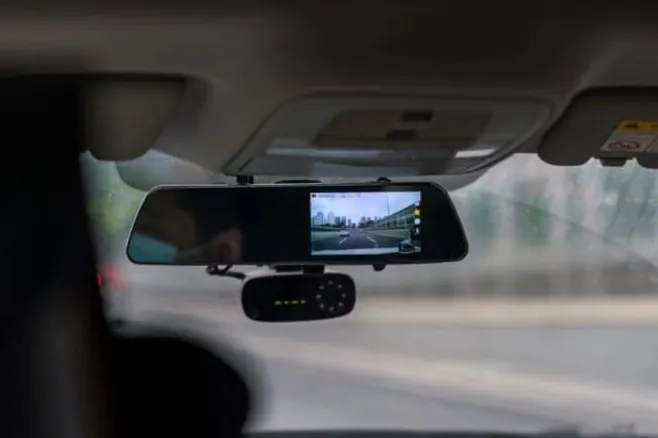
Driver Detection Technology: Safety Innovation or Rolling Surveillance?
The modern automobile is no longer just a machine that gets people from one place to another. Over the past decade, cars have evolved into highly connected computers on wheels, equipped with cameras, sensors, GPS tracking, and artificial intelligence systems designed to assist drivers and improve safety. By 2027, that evolution could accelerate dramatically as impaired-driving detection technology becomes a standard feature in all new vehicles sold in the United States.
At first glance, the concept sounds reasonable. Drunk driving, distracted driving, and fatigue-related accidents continue to cause thousands of deaths each year. Technology that can detect impairment before tragedy occurs has the potential to save lives on a massive scale. However, the deeper implications of this technology are creating growing concern among drivers, privacy advocates, and civil liberties groups. What begins as a safety feature could ultimately reshape the relationship between people and their vehicles in ways society has never experienced before.
How Driver Detection Technology Works
Driver monitoring systems rely on a combination of cameras, infrared sensors, facial recognition software, steering analysis, and behavioral tracking. These systems are designed to observe a driver’s eye movement, head position, blinking patterns, reaction time, and even subtle body language to determine whether someone appears distracted, fatigued, or impaired.
Unlike traditional safety features such as airbags or anti-lock brakes, these systems are proactive rather than reactive. Instead of responding after a mistake occurs, they continuously evaluate the driver in real time. If the system believes the driver is impaired, it may issue warnings, reduce vehicle performance, or potentially prevent the vehicle from operating altogether.
This marks a significant shift in automotive technology. Cars are no longer simply responding to driver commands — they are beginning to assess and judge the driver themselves.
The Promise of Safer Roads
Supporters of driver detection systems argue that the potential benefits are enormous. Impaired driving remains one of the leading causes of fatal crashes, and human error contributes to the vast majority of roadway accidents overall. Technology capable of detecting dangerous behavior before an accident occurs could dramatically reduce injuries and fatalities.
Fatigue detection alone could be transformative for long-distance drivers, truck operators, and commuters who drive late at night. A vehicle that recognizes signs of exhaustion and encourages a driver to stop could prevent catastrophic accidents caused by microsleep episodes or delayed reaction times.
In this sense, driver detection technology represents the next phase of advanced driver assistance systems. Just as automatic emergency braking and lane-keeping assistance were initially viewed with skepticism before becoming widely accepted, some believe driver monitoring could eventually become another standard life-saving innovation.
When Cars Begin Making Decisions
Despite the safety benefits, many people are uneasy about the growing authority these systems may have. The central concern is not simply that the car watches the driver, but that it may eventually control the driver.
If a vehicle determines that someone appears impaired, the system could potentially stop the car from starting or limit certain driving functions. In theory, this sounds logical for preventing dangerous situations. In practice, however, it introduces a controversial question: should a machine have the authority to decide whether someone can use their own vehicle?
This changes the traditional dynamic between driver and automobile. For over a century, the driver has maintained ultimate control. Driver detection systems introduce a future where software may override human judgment based on algorithms and sensor interpretations.
For many people, that feels less like assistance and more like automated enforcement.
The Problem of False Positives
One of the biggest challenges facing driver monitoring technology is accuracy. Human behavior is unpredictable, and impairment is not always easy to define through data points alone.
A driver glancing away momentarily to check a navigation screen, driving while tired after a long work shift, or even wearing sunglasses could potentially trigger system alerts. Medical conditions, physical disabilities, stress, or unusual driving habits could also create situations where the technology misinterprets behavior.
False positives may sound like a minor inconvenience, but the consequences could become serious if a vehicle refuses to start or limits functionality unexpectedly. Imagine a parent trying to leave during an emergency or a worker unable to commute because the system incorrectly identifies fatigue or distraction.
As these systems become more integrated into vehicle control, public trust will depend heavily on reliability and transparency.
The Expanding Surveillance Question
Beyond vehicle control lies an even larger debate: data collection and privacy.
Driver detection systems continuously gather information about behavior, attentiveness, and driving patterns. That data could potentially include how often someone appears distracted, when they drive, how long they remain attentive, and even biometric information such as facial features or eye movement.
The question many drivers are asking is simple: who owns this data?
Without clear regulations, concerns are growing about whether this information could eventually be shared with insurance companies, manufacturers, advertisers, or law enforcement agencies. Insurance providers may view driver behavior data as an opportunity to adjust rates dynamically. Manufacturers could potentially store massive amounts of behavioral information through connected vehicle systems.
What begins as safety monitoring could evolve into one of the largest forms of consumer surveillance ever integrated into daily life.
The Cost of Constant Monitoring
There is also an economic dimension to the conversation. Advanced monitoring systems require cameras, processors, software development, and ongoing updates. Those costs will inevitably be passed on to consumers through higher vehicle prices.
Drivers may find themselves paying more for technology they neither requested nor fully trust. Additionally, connected systems often require subscriptions, cloud services, or software maintenance, creating the possibility of recurring costs tied to features that monitor driver behavior.
This raises broader concerns about ownership in the digital age. If software increasingly controls how vehicles operate, consumers may feel they own less of the car than ever before.
The Future Relationship Between Humans and Cars
Driver detection technology is part of a much larger transition happening throughout the automotive industry. Vehicles are steadily moving toward greater automation through self-driving systems, adaptive cruise control, collision avoidance, and AI-assisted navigation.
Each new feature places another layer of technology between humans and direct control of the vehicle. Driver monitoring systems push this even further because they do not simply assist driving — they actively evaluate the person driving.
This changes the psychological relationship between people and their cars. The automobile has historically symbolized freedom, independence, and personal control. Continuous monitoring introduces the possibility that future vehicles may function more like overseers than tools.
The debate surrounding driver detection technology is ultimately about trust: trust in algorithms, trust in corporations managing data, and trust in governments setting the rules for how these systems operate.
Finding the Balance Between Safety and Freedom
There is little doubt that driver detection systems could save lives. Reducing impaired driving is an important public safety goal, and technology will continue playing a major role in achieving it. However, the challenge lies in balancing safety innovation with privacy, autonomy, and consumer rights.
The success or failure of these systems may depend less on the technology itself and more on how responsibly it is implemented. Clear limitations on data collection, transparency about how decisions are made, and safeguards against misuse will be critical in maintaining public trust.
As vehicles become smarter, society must decide how much authority should be handed over to machines. By 2027, this debate may no longer be theoretical. It could become part of everyday driving, forcing millions of people to confront a new reality where their car is not only watching the road — but also watching them.
