









Chuck Norris’s Vehicle Legacy
When most people think of Chuck Norris, images of roundhouse kicks, stoic stares, and relentless action sequences immediately come to mind. But there was another side to the martial arts icon and actor that doesn’t always get as much attention: his consistent and practical taste in vehicles. Unlike many Hollywood stars, Norris never maintained a flashy, public car collection or sought after exotic cars, high-profile auctions, or supercars. Instead, his choices always leaned toward practicality, durability, and understated power. While this may not make headlines like a multimillion-dollar exotic garage, it’s exactly what made his automotive story so interesting: it aligns perfectly with his persona, emphasizing reliability, strength, and function over flair.
Classic Muscle Cars
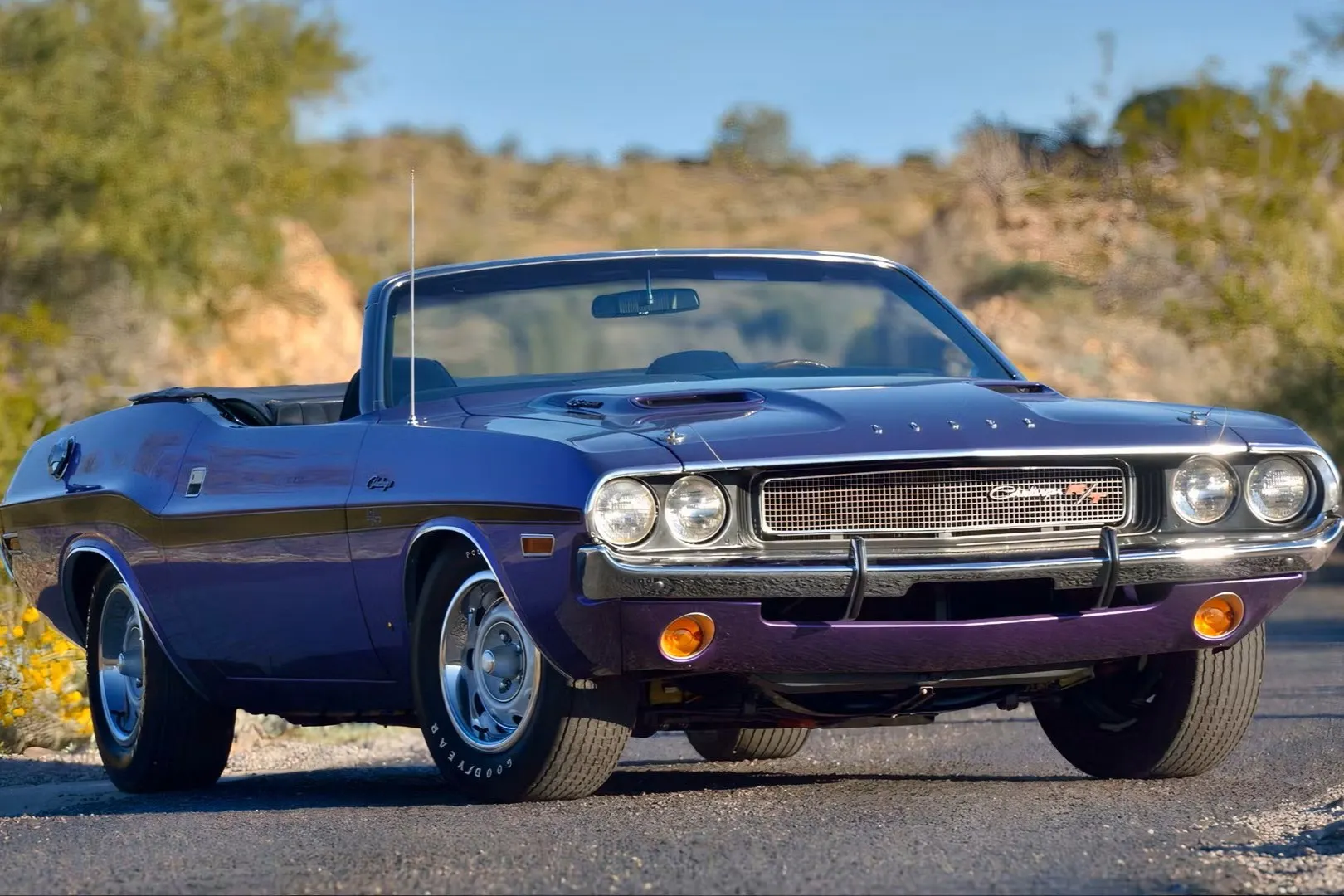
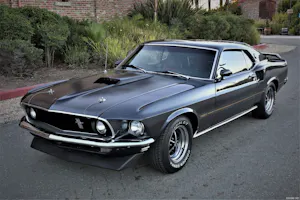
Before delving into trucks and SUVs, it’s important to note that Chuck Norris always had a fondness for classic muscle cars. In fact, the first car he ever owned was a 1969 Ford Mustang, which he bought just as he was starting his acting career. This early experience set the tone for his appreciation of straightforward, performance-driven American vehicles. Later, his personal favorite became the Dodge Challenger from the early 1970s, built during the height of the muscle car era. These cars were designed around large-displacement V8 engines, rear-wheel drive, and a direct, mechanical approach to performance. Depending on the configuration, a Challenger could be equipped with engines like the 383 cubic-inch V8, the 440 Magnum, or the legendary 426 HEMI. Even the lower-end engines delivered strong torque and acceleration, while the big-block variants cemented the Challenger’s reputation for raw, immediate power.
On the surface, this choice might seem at odds with his more practical trucks and SUVs, but it actually fit perfectly with Norris’s overall personality. The Dodge Challenger is straightforward, mechanical, and built around function rather than complexity, much like Norris himself. In an era when performance relied on sheer displacement and mechanical engineering rather than electronics and refinement, the Challenger embodies the no-nonsense approach that has always defined his public image. It’s a car built for speed, performance, and impact—qualities that echo his reputation both on and off the screen.
Trucks and SUVs: The Practical Backbone
While the Dodge Challenger represents raw power and classic performance, trucks and SUVs were the mainstay of Chuck Norris’s real-world garage. Vehicles such as the Dodge Ram, Ford F-150, and Toyota Land Cruiser dominated his collection. Unlike exotic sports cars, these vehicles were chosen not for status or flashy appearances, but for their reliability, durability, and everyday usability. A Dodge Ram or Ford F-150 can handle heavy-duty hauling, long drives, and off-road terrain without issue, while a Toyota Land Cruiser offers legendary reliability and off-road performance that has made it a staple for serious drivers worldwide.
These trucks and SUVs reflect the same qualities Norris embodies: strength, consistency, and resilience. They are practical machines designed to perform under real-world conditions, whether it’s carrying equipment, navigating rough terrain, or handling daily transportation needs. They aren’t flashy, but they’re dependable, which aligns perfectly with the image Norris projects both in his films and in his personal life.
On-Screen Vehicles: Defining an Image
Interestingly, Chuck Norris’s public automotive image was often shaped by the vehicles he drove in films and television, which sometimes overshadowed his personal preferences. In Walker, Texas Ranger, he famously drove a Dodge Ram, a simple yet durable truck that became part of his character’s identity. The vehicle wasn’t just transportation; it was a tool for storytelling, often featured in chase scenes or action sequences, reinforcing the rugged, no-nonsense persona that audiences came to expect from Norris.
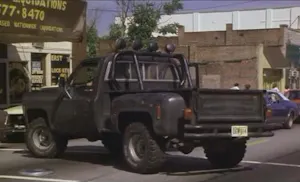
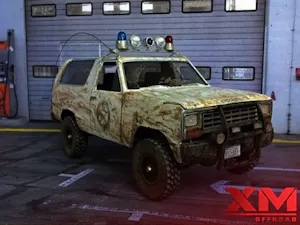
Earlier, in Lone Wolf McQuade, the Dodge Ramcharger SUV played a central role, particularly in off-road sequences. Its larger presence on-screen emphasized toughness and reliability, echoing the same straightforward, action-ready energy that defined Norris’s characters. Additionally, in the 1985 film Invasion USA, Norris drove a 1978 GMC K-1500, a truck with a rugged, military-style look that perfectly suited the film’s high-stakes action. Its off-road capability and sturdy build reinforced Norris’s on-screen image as a man capable of handling any vehicle and any situation with ease. These vehicles became iconic not because of personal preference, but because of consistent use in defining the roles he portrayed, blending function with cinematic style. Audiences remember these vehicles, associating them as much with Norris himself as with his characters.
A Family Connection to Performance
Chuck Norris’s interest in cars and driving extended beyond his own choices and on-screen roles. His son, Eric Norris, has been deeply involved in motorsports, competing in NASCAR’s Truck Series before transitioning into stunt driving and coordination in Hollywood. This connection reinforces the family’s engagement with speed, skill, and vehicle performance—not necessarily through collecting cars, but through hands-on driving experience and a shared appreciation for capability and precision. The emphasis on driving skill and real-world vehicle performance mirrors Chuck Norris’s own practical approach to cars: it’s about functionality and mastery, not just aesthetics or rarity.
Cultural Impact: “Truck Norris” and Automotive Legacy
Chuck Norris’s cultural influence also extended into car culture in playful, larger-than-life ways. One notable example is the monster truck called “Truck Norris”, built by the Diesel Brothers using a Dodge Ram body. This truck, wrapped in an American flag and fitted with 40-inch tires, features Chuck-themed badging and centers his image as a symbol of rugged American toughness. It’s an exaggerated, fun tribute, but it underscores how closely Norris is associated with trucks in the public imagination.
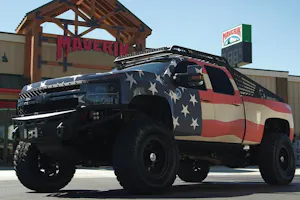
Even in such over-the-top creations, the same themes remain: durability, strength, and unmistakable identity. The truck isn’t just a novelty; it’s a testament to the lasting impact of the vehicles he drove on-screen and how they became part of pop culture. This ability to blend practicality with personality—to make a truck as iconic as his image—speaks to the unique way Chuck Norris influenced automotive culture.
The Philosophy Behind the Garage
Looking at all of Chuck Norris’s vehicles together, a clear philosophy emerges. His cars and trucks aren’t about flashy headlines, rare auctions, or extravagant supercars. Instead, they reflect a consistent mindset: choose vehicles that work, last, and embody reliability, with a touch of American muscle where it counts. The Dodge Challenger represents traditional, straightforward performance; the trucks and SUVs represent practicality and rugged capability. Together, they form a cohesive automotive identity that mirrors the traits for which Norris is famous: strong, dependable, and direct.
From classic muscle cars to reliable trucks, and from on-screen chases to playful monster trucks, the vehicles associated with Chuck Norris consistently reinforced his image. They highlight not only what he values in a car but also how cars contribute to cultural storytelling, family legacy, and iconic branding. Chuck Norris may not have the celebrity car collection that dominates headlines, but his garage and vehicle choices are perfectly in line with the legend he represents: functional, timeless, and unmistakably American.
